
You can learn to read the Quran online from complete scratch, at any age, as long as three things are in place: the right starting point, a teacher who can hear you, and short lessons you keep up every week. This guide walks through each step, how long it usually takes, and the mistakes that slow most beginners down.
The short answer: six steps
- Find your starting point. Complete beginner, slow reader or fluent reader without Tajweed.
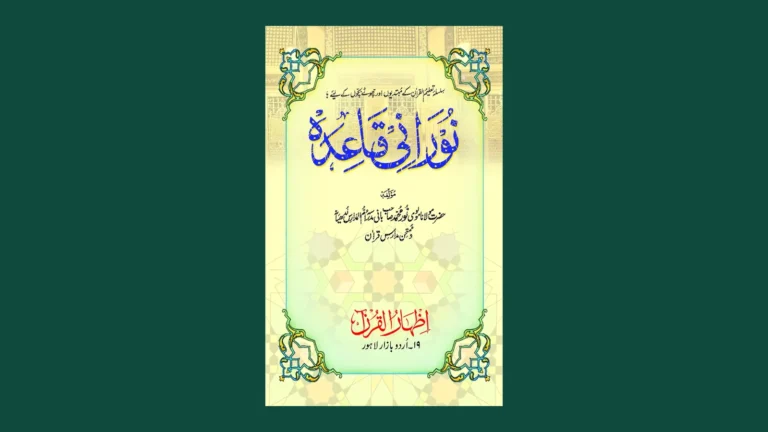
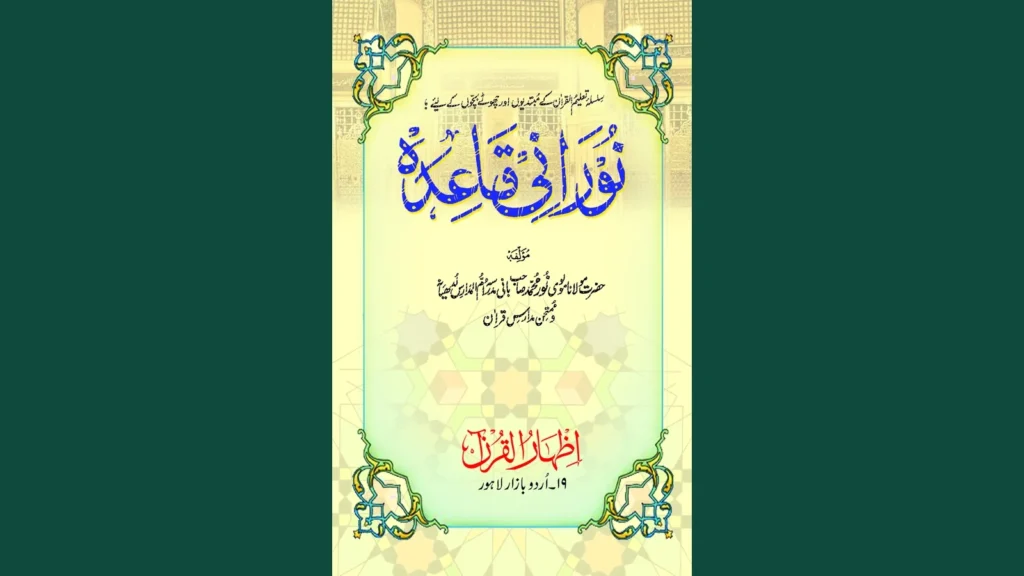
- Learn the letters and their exact sounds with a structured primer such as the Noorani Qaida.
- Learn with a teacher who hears you recite and corrects you live, not only with an app.
- Keep lessons short and regular: two to five lessons a week, plus a few minutes of daily practice.
- Add Tajweed early, so good habits form before bad ones settle.
- Choose your next goal: memorization, understanding the meaning, or both.
Step 1: Be honest about your starting point
Most learners fit one of three starting points. Knowing yours saves months, because each needs a different first course.
| Where you are now | Where to start | First goal |
|---|---|---|
| Cannot read Arabic letters yet | Noorani Qaida (Quran reading for beginners) | Read every letter and vowel correctly |
| Can read, but slowly or with guesses | Quran reading with a teacher, then Tajweed | Read a page of the Mushaf without stopping |
| Reads fluently, unsure of the rules | Tajweed course | Recite with correct articulation and rules |
If you are not sure, a single assessment lesson with a teacher will tell you in a few minutes. It is far quicker than guessing and starting in the wrong place.
Step 2: Learn the letters and their exact sounds
The Quran is read in Arabic script, and several Arabic letters have no equivalent in English or Urdu. The difference between ح and ه, or س and ص, is not a matter of accent: it changes the word. قَلْب (qalb) means heart; كَلْب (kalb) means dog.
That is why the first stage of learning focuses on makharij, the points in the throat, tongue and lips where each sound is made. A primer such as the Noorani Qaida introduces them in a careful order:
- the 28 letters on their own, with their exact sounds;
- how letters change shape when they join;
- short vowels (fatha, kasra, damma) and the sukun;
- tanween, shaddah and long vowels;
- reading real words and short verses.
Avoid learning from transliteration (Arabic written in English letters). It feels faster at first, but it cannot represent the sounds accurately and it delays reading the Mushaf itself.
Step 3: Learn with a teacher who can hear you
The Quran has always been passed on by listening and reciting back. The Prophet ﷺ received it from the angel Jibril, who would go over the Quran with him every night of Ramadan (Sahih al-Bukhari 6). Scholars call this method talaqqi: receiving recitation directly from someone who recites correctly.
Apps and videos are useful for revision, but they cannot hear you. Most beginner mistakes are ones you cannot notice yourself: a heavy letter said lightly, a vowel held too long, a sound made from the wrong place. A teacher catches these in the moment, before they become habits.
Online lessons work well for this, provided they are live and one-on-one. In a typical lesson the Qaida or Mushaf is shared on screen, you read aloud, and the teacher corrects each sound as you go. Group classes and recorded courses give you far less time reciting and far less correction.
Step 4: Keep lessons short and regular
Consistency beats intensity. Three 30-minute lessons a week, with ten minutes of practice on the other days, will move you further than one long lesson every weekend.
| Lessons per week | Best for |
|---|---|
| 2 | Busy adults and families who want steady progress |
| 3 | Most learners: enough momentum, with time to practise in between |
| 5 | Faster progress, Hifz, or children in holidays |
Daily practice does not have to be long. Re-reading the last page you studied, out loud, for ten minutes is enough to keep it fresh. The Prophet ﷺ compared the Quran slipping from memory to a camel escaping its tether and told us to keep returning to it (Sahih al-Bukhari 5033). The same is true of reading skills while they are new.
Step 5: Add Tajweed early
Tajweed is the set of rules for reciting the Quran correctly: giving each letter its right sound and applying rules such as ghunnah, madd and qalqalah where letters meet. Allah instructs us to recite the Quran ˹properly˺ in a measured way
(Quran 73:4, The Clear Quran).
You do not need to wait until you read fluently to begin. Good teachers introduce the basic rules while you are still on the Qaida, then go deeper once you are reading from the Mushaf. Fixing a habit later always takes longer than learning it correctly first. Our guide What is Tajweed? explains the main rules in plain language.
Step 6: Choose your next goal
Once you read comfortably, decide what matters most to you next:
- Memorization (Hifz): start with the short surahs of Juz ʿAmma and a daily revision routine.
- Understanding: study Quranic Arabic to recognise the words you recite, or translation and tafsir to understand the message.
- Beautiful recitation: refine Tajweed and fluency with a teacher listening closely.
How long does it take to learn to read the Quran?
It depends on your starting point, how many lessons you take and how much you practise. As a rough guide for someone taking three lessons a week and practising between them:
| Stage | Typical time |
|---|---|
| Letters, sounds and vowels (Noorani Qaida) | About 3 to 6 months |
| Reading from the Mushaf with growing fluency | A further 3 to 6 months |
| Core Tajweed rules applied in recitation | A few months, alongside reading |
Children and adults both make good progress. Adults often move through the early stages faster; children often pick up pronunciation more naturally. Regular practice matters more than age.
Common mistakes that slow beginners down
- Relying on transliteration instead of learning the script.
- Rushing the letters to get to the Mushaf sooner, then spending months fixing pronunciation.
- Learning alone with no one to hear and correct your recitation.
- Irregular lessons: long gaps undo much of what was learned.
- Changing teachers often, so nobody knows your history and habits.
Why it is worth starting, whatever your age
Allah says: And We have certainly made the Quran easy to remember. So is there anyone who will be mindful?
(Quran 54:17, The Clear Quran). The Prophet ﷺ said, The best among you are those who learn the Qur’an and teach it
(Sahih al-Bukhari 5027).
He also reassured those who find it hard. One who is proficient in the Qur’an is associated with the noble, upright, recording angels; and he who falters in it, and finds it difficult for him, will have a double reward
(Sahih Muslim 798). And every letter counts: whoever recites a letter from the Book of Allah receives a good deed, and each good deed is multiplied ten times (Jamiʿ at-Tirmidhi 2910).
The slow, stumbling first lessons are not wasted time. They are rewarded too.
Frequently asked questions
Can I learn the Quran online by myself?
You can learn a lot about the Quran by yourself, but reading and reciting correctly needs someone to hear you. Use apps for revision and a live teacher for correction.
Is it too late to learn the Quran as an adult?
No. Adults learn to read the Quran at every age. Private one-on-one lessons remove the embarrassment of learning in front of others, and you move at your own pace.
Do I need to learn Arabic first?
No. Reading the Arabic script and understanding the Arabic language are separate skills. Most people learn to read first and study meaning afterwards.